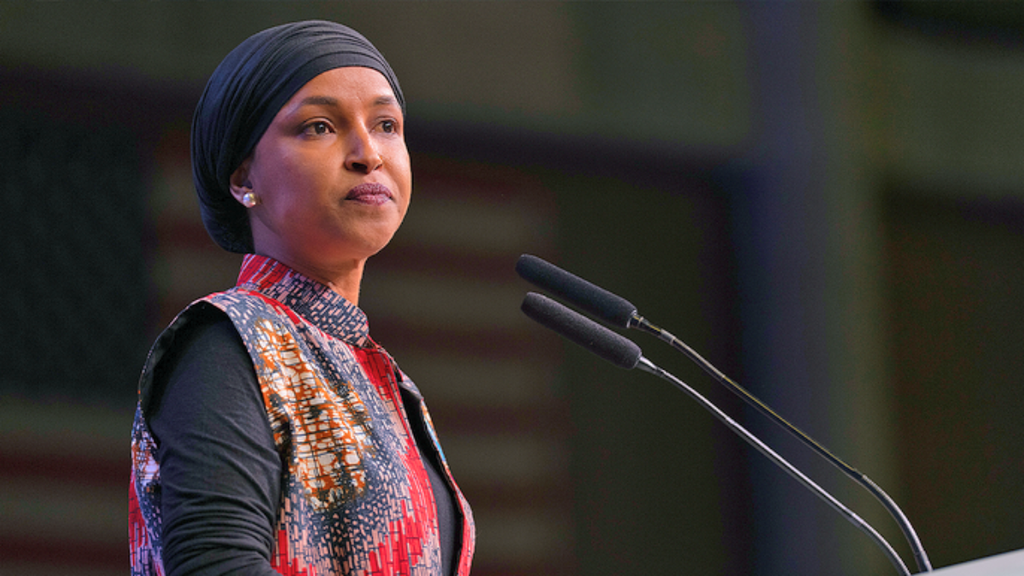
Ilhan Omar faces two federal investigations as a former immigration judge explains possible fraud charges, denaturalization proceedings and the legal hurdles ahead for her.
Ilhan Omar faces growing legal scrutiny as federal investigators examine her immigration history and financial disclosures. A former immigration judge says proven fraud could expose the Minnesota Democrat to criminal penalties and a separate citizenship challenge.
What Legal Trouble Could Ilhan Omar Face?
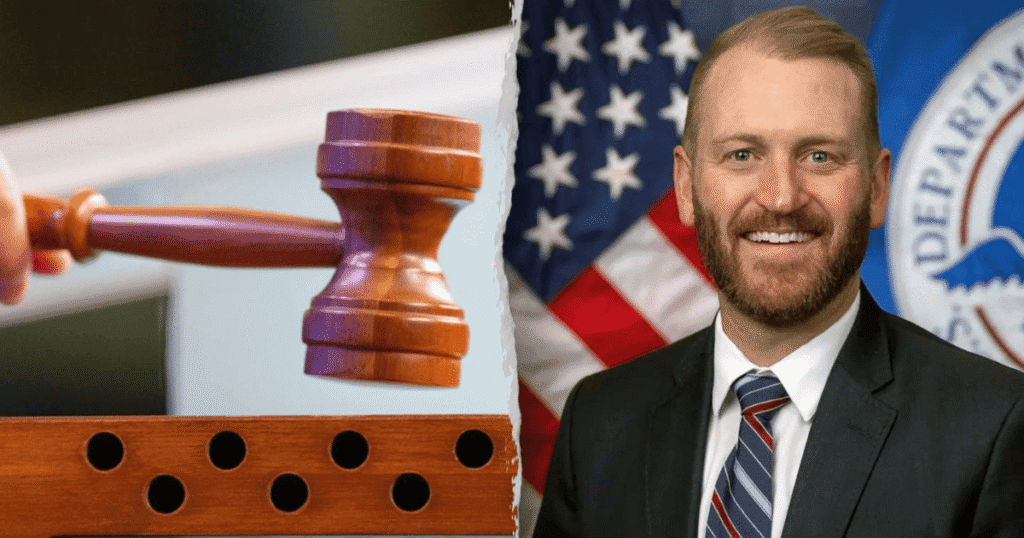
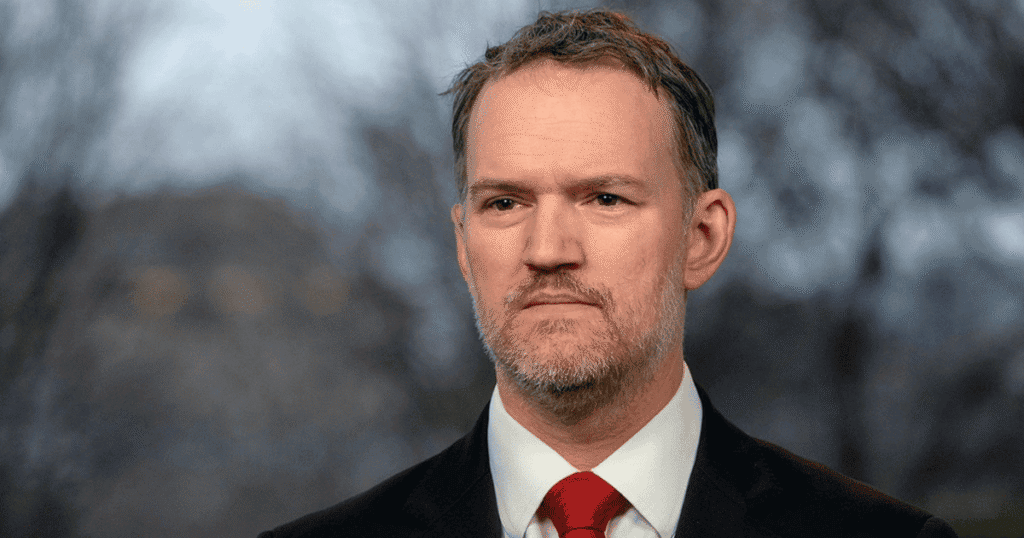
Former immigration judge Nathan Hansen outlined several possible consequences if investigators uncover evidence supporting allegations against Omar. He stressed that criminal prosecution and denaturalization follow separate legal processes with different requirements.
Federal authorities are investigating whether Omar or her late father provided inaccurate information on immigration paperwork decades ago. A separate inquiry examines discrepancies in congressional financial disclosures that Omar later amended.
Neither investigation has resulted in publicly announced criminal charges against the congresswoman as of October 28, 2026. Omar denies wrongdoing and describes the scrutiny as politically motivated.
Why the Immigration Investigation Matters
Homeland Security Investigations searched Omar’s Washington residence on October 12 under a court-authorized warrant. Investigators reportedly seized electronic devices and other materials while examining possible immigration fraud.
The inquiry reportedly focuses on information submitted during her family’s arrival in America and her eventual naturalization. Investigators are examining questions involving her birth date and her late father’s immigration history.
Officials have not publicly established that Omar knowingly submitted fraudulent documents. Investigators must gather evidence and establish the necessary legal elements before prosecutors can pursue charges.
Could Ilhan Omar Lose Her U.S. Citizenship?
Hansen explained that a criminal conviction would not automatically strip Omar of her American citizenship. Federal authorities would need to pursue a separate legal process and establish grounds for denaturalization.
Under federal law, prosecutors generally must prove that someone illegally procured naturalization or obtained citizenship through concealment or material misrepresentation. The government must meet demanding evidentiary requirements before a court can revoke citizenship through denaturalization proceedings.
Denaturalization Requires More Than Suspicion
The government cannot revoke citizenship simply because investigators suspect inconsistencies in old immigration records. Prosecutors must establish legally sufficient grounds and follow the procedures required by federal law.
Hansen noted that officials would exercise discretion when deciding whether to pursue denaturalization after establishing relevant misconduct. The ultimate outcome would depend on evidence, applicable statutes, and the court’s findings.
Even if investigators discover discrepancies, those findings would not automatically establish intentional fraud. Authorities must distinguish deliberate misrepresentation from mistakes, incomplete records, or other circumstances that explain inconsistencies.
Could Decades-Old Allegations Lead to Criminal Charges?
The age of the allegations creates another legal question for investigators and prosecutors examining Omar’s immigration history. Criminal statutes of limitations generally restrict how long authorities have to bring particular charges.
However, the applicable deadline depends on the alleged offense and the specific circumstances of each case. Prosecutors cannot automatically bypass statutory deadlines merely by describing suspected conduct as fraud or concealment.
Hansen argued that concealed fraud can complicate limitations arguments, although courts assess these questions under specific legal rules. Any prosecution would require a careful examination of the relevant statutes and evidence.
A Second Federal Investigation Examines Omar’s Finances
Alongside the immigration inquiry, federal prosecutors are examining discrepancies in Omar’s congressional financial disclosures. Her amended filings significantly reduced previously reported asset valuations associated with businesses linked to her husband.
Omar attributed the discrepancies to an accounting error and has disputed suggestions that she personally holds millions of dollars. The House’s congressional oversight process previously examined the matter, but federal investigators have opened a separate inquiry.
Authorities have not publicly announced charges arising from the financial investigation. Investigators must determine whether the discrepancies reflect unlawful conduct or errors that require correction rather than criminal prosecution.
What Happens Next in Both Investigations?
Federal investigators may continue reviewing documents, interviewing witnesses, and examining financial records as the inquiries progress. Prosecutors will then assess whether the evidence supports criminal charges or additional civil proceedings.
Omar retains the right to challenge investigative actions and defend herself against any allegations. Courts would ultimately evaluate any charges or citizenship challenge under the applicable legal standards.
For now, the most consequential question remains whether investigators can establish credible evidence of intentional wrongdoing. Until authorities present sufficient evidence, possible charges and denaturalization remain potential outcomes rather than established consequences.
The investigations could carry significant political implications as Omar seeks reelection in Minnesota’s upcoming congressional contest. However, her legal position will depend on evidence and judicial decisions, not political criticism or public speculation.
Also read: Supreme Court Deals Trump a Major Immigration Win