
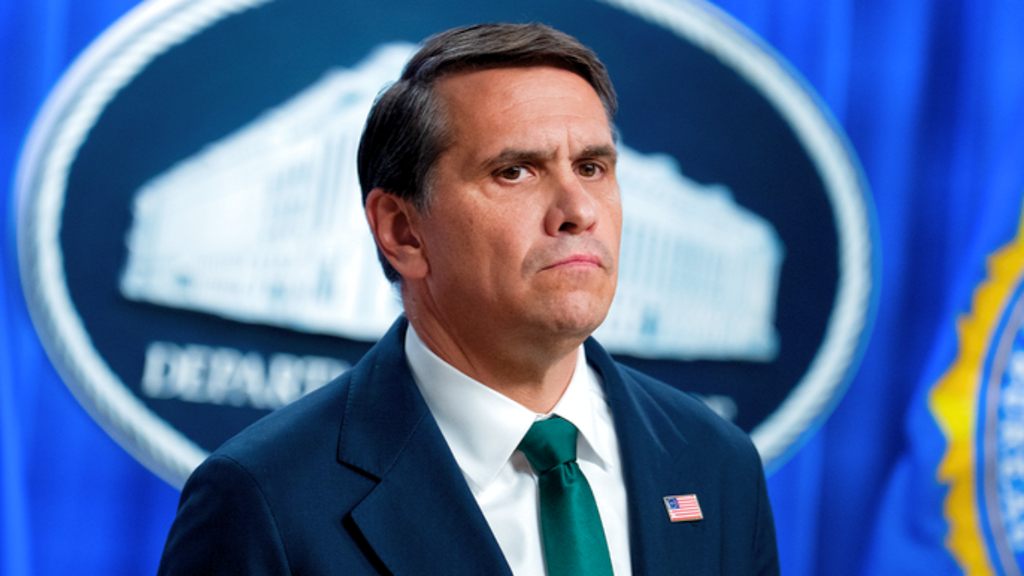
DOJ Targets Illegal Voting Cases in 17 States as federal prosecutors report 64 charges ahead of midterms, raising questions about enforcement and voter rights today.
DOJ Targets Illegal Voting Cases in 17 States as federal prosecutors intensify election-related prosecutions ahead of the November midterm elections. A recent tally reports 64 foreign nationals charged across 17 states in roughly five weeks. The cases involve alleged unlawful voting, fraudulent registration and other election-related offenses. <Cite refs={[“turn967885search3″,”turn967885search7”]}/>
DOJ Reports 64 Election-Related Charges Across 17 States
The Justice Department has expanded its focus on alleged voting violations as the 2026 midterms approach. Federal prosecutors have brought cases involving noncitizens accused of voting in federal elections or falsely claiming U.S. citizenship.
The reported total covers 64 defendants across 17 states, according to figures released in recent reporting. The cases span different alleged offenses and do not establish that every defendant cast an unlawful ballot.
Minnesota leads the reported tally with 11 defendants, followed by Pennsylvania with 10. The figures reflect charges, not convictions, and each defendant retains the presumption of innocence. <Cite refs={[“turn967885search3″,”turn967885search7”]}/>
What Types of Voting Violations Are Under Investigation?
Some cases allege that noncitizens voted in federal elections despite lacking eligibility. Others involve accusations of false citizenship claims during voter registration or naturalization processes.
Federal law restricts voting in federal elections to U.S. citizens, subject to narrow exceptions that do not generally apply to noncitizens. Prosecutors must still prove the specific allegations against each defendant in court.
The Justice Department says these cases form part of a wider effort to enforce election laws. The scale and legal outcomes of the prosecutions will become clearer as cases proceed.
Why the Cases Are Drawing Attention Before Midterms
The investigations arrive as election officials prepare for the November 3, 2026, midterm elections. Control of Congress will be contested, bringing renewed attention to election administration and voter eligibility.
Federal officials say enforcing election laws helps protect public confidence in the voting system. Civil rights advocates, however, warn that broad investigations and inaccurate records could affect eligible voters.
Those concerns extend beyond individual criminal cases. The federal government has also sought access to state voter registration lists to identify people it believes may lack voting eligibility. <Cite refs={[“turn967885news0″,”turn967885search9”]}/>
Separate Legal Fight Over State Voter Rolls
On October 9, a federal judge ruled that the Justice Department’s effort to obtain state voter rolls and check them against a federal immigration database was unlawful. The case focused on the government’s data-collection policy, not the guilt of defendants in separate criminal prosecutions.
The judge warned that outdated citizenship records could wrongly flag naturalized citizens as ineligible. The administration is reviewing the decision, according to reporting on the ruling. <Cite refs={[“turn967885news0″,”turn967885news5”]}/>
That ruling highlights a key distinction: prosecutors can pursue evidence of specific alleged crimes, while voter-list maintenance raises separate questions about federal authority, privacy and accuracy.
How Authorities Identify Alleged Illegal Voting
Investigators may compare election records with other government records, review registration documents and examine statements made during official applications. Such checks can generate leads, but records may contain errors or outdated information.
Officials must verify evidence before pursuing charges or seeking changes to voter registration records. A database match alone does not prove that someone voted illegally or knowingly misrepresented citizenship.
The distinction matters because lawful permanent residents are not eligible to vote in federal elections, yet they can later become naturalized citizens. Older records may not reflect a person’s updated status.
Charges Do Not Mean Every Allegation Is Proven
An indictment or criminal complaint outlines prosecutors’ allegations. It does not establish guilt, which the government must prove in court beyond a reasonable doubt.
Defendants may challenge the evidence, dispute the government’s interpretation of records or contest whether their actions violated federal law. Court proceedings will determine the outcome of each case.
Accurate reporting must therefore distinguish between a charge, a proven offense and a broader claim about election security. The reported number of defendants cannot, by itself, measure how common illegal voting is nationwide.
What the Crackdown Could Mean for Election Administration
The prosecutions could influence how federal agencies coordinate with state and local election officials. They may also intensify debates about data sharing, voter registration checks and safeguards against wrongful removals.
States administer elections and maintain their voter rolls under a mix of federal and state laws. Federal authorities can investigate suspected violations, but disputes over access to sensitive voter information may require judicial review.
Election officials face two important responsibilities: preventing unlawful voting and protecting eligible citizens’ access to the ballot. Reliable records, clear procedures and careful verification can help advance both goals.
DOJ Election Cases Face Close Scrutiny Ahead of November
The reported cases place alleged illegal voting under a national spotlight just weeks before the midterms. Prosecutors say they are pursuing violations, while separate court challenges question the government’s methods for reviewing voter records.
The coming weeks may bring additional filings, court decisions and debate over election oversight. The public should assess each development through verified evidence rather than assume that allegations establish widespread wrongdoing.
Ultimately, the cases will turn on the facts and the law governing each defendant. Protecting election integrity also requires accurate records, due process and safeguards for eligible voters.
Also read: Newsom’s Health Tax Sparks Doctor and Insurer Revolt








