
Ohio Factory Horror: Workers Warn of Deadly Safety Risks as former employees allege dangerous conditions, anti-union threats and congressional stonewalling at a Chinese-owned plant.
Ohio Factory Horror: Workers Warn of Deadly Safety Risks as former employees describe alarming conditions at a Chinese-owned glass factory in Ohio. Their accounts include extreme heat, alleged anti-union pressure and a fatal workplace accident. The allegations have intensified calls for greater oversight after the company failed to provide substantial answers to a congressional inquiry.
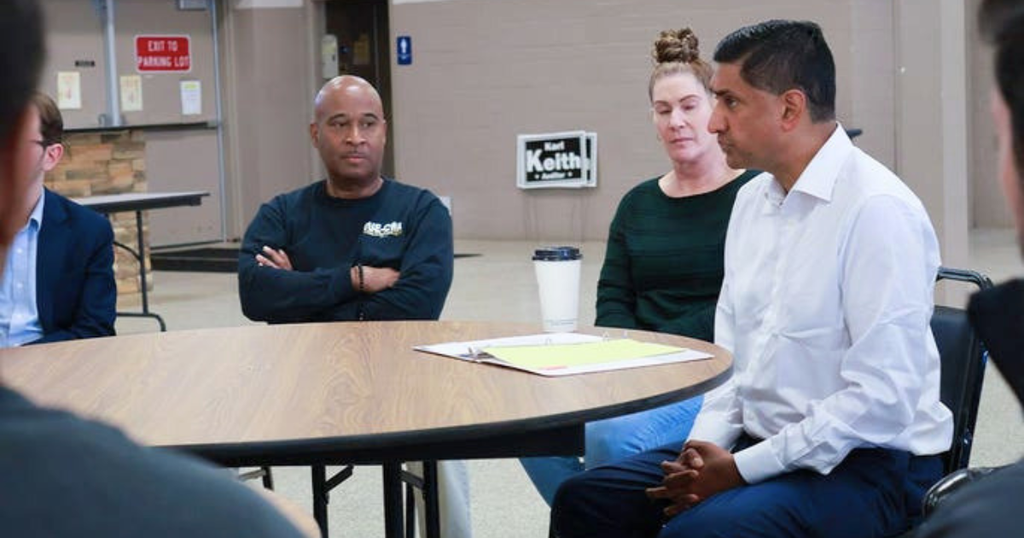
Representative Ro Khanna, a California Democrat, met former workers and union representatives in Dayton on October 6. They discussed workplace safety, labor rights and the treatment of employees at Fuyao Glass America’s facility in Moraine, near Dayton.
The meeting followed months of unanswered questions about the company’s labor practices and compliance with American workplace standards. Former employees urged lawmakers to investigate their experiences and demand stronger protections for factory workers.
Former Workers Describe Dangerous Ohio Factory Conditions
Several former employees described working in intense heat and facing obstacles when they raised concerns. Their accounts painted a troubling picture of daily conditions inside the glass manufacturing facility.
Tiffany Moore, who worked at the plant for three years, said the heat became unbearable. She also described communication difficulties between American employees and Chinese supervisors.
Moore claimed workers struggled to communicate concerns because few supervisors spoke English. She also alleged that employees feared retaliation when they considered leaving their jobs.
Workers Raise Concerns About Retaliation
Moore said she felt she had to leave discreetly to avoid potential consequences from management. She described arranging another job before informing the company she would not return.
Demetria Hodges, another former employee, described a separate incident involving a forklift. She alleged that a Chinese forklift operator struck her and that management failed to identify the person responsible.
Hodges said she struggled to pursue compensation after the incident. These claims have not independently established every alleged workplace violation, but they add to calls for a thorough review.
Fatal Accident Raises Fresh Safety Questions
The workers also revisited the 2018 death of Ricky Patterson, a 57-year-old employee. Former colleague Darrell Jones described how a heavy glass panel crushed Patterson during factory work.
Jones said employees continued working that day despite the fatal accident. His account renewed questions about workplace procedures and whether workers received adequate protection.
The Occupational Safety and Health Administration reached an informal settlement involving a $7,000 penalty over a safety violation connected to Patterson’s death. The case remains a central concern in discussions about the plant’s safety record.
Union Leader Recalls a Chilling Warning
Sam Sanders, president of a local industrial workers’ union chapter, recalled a former employee warning that workers should expect deaths at the plant. Sanders repeated the warning during the Dayton meeting, underscoring the seriousness of the workers’ concerns.
The remark has become a powerful symbol of the safety fears described by former employees. However, investigators must assess individual allegations and available evidence before drawing broader conclusions about current conditions.
Congressional Inquiry Faces Company Resistance
Khanna said he contacted Fuyao Glass America and its Chinese parent company in July. He requested documents concerning their business operations and labor practices.
The congressman later criticized the company’s response, saying it failed to provide meaningful answers or the requested documents. He argued that lawmakers need this information to assess compliance with American labor and safety laws.
Khanna also sought access to the factory for an oversight visit. The company did not grant that request, prompting him to meet former workers and union representatives instead.
Lawmaker Calls for Stronger Oversight of Foreign-Owned Factories
Khanna argued that foreign investment can benefit American communities, but companies must follow U.S. rules. He called for enforceable safety standards, fair labor practices and protections against discrimination.
He also raised concerns about the process that allows foreign companies to purchase American industrial facilities. Khanna wants lawmakers to examine whether existing oversight adequately protects employees and national interests.
Fuyao and its parent company had not provided a substantive public response to the allegations in the reporting available for this article.
Former Employees Allege Anti-Union Pressure
Union organizing also emerged as a major concern during the discussion. Several former employees alleged that managers discouraged workers from supporting union representation.
Darrell Jones recalled a supervisor warning that the company would close the facility if workers formed a union. He also alleged that employees faced threats involving health insurance.
Hodges claimed management offered workers an additional $2 per hour if they voted against unionization. These allegations highlight longstanding tensions surrounding collective bargaining at the facility.
Labor Rights Remain Central to the Dispute
The dispute reflects a broader question about whether workers at foreign-owned factories receive adequate protections. Employees should be able to report hazards and discuss union representation without fear of retaliation.
Any confirmed violations could prompt renewed scrutiny from regulators and lawmakers. A full review would help establish which claims require enforcement action and whether additional safeguards are necessary.
What the Ohio Factory Controversy Means for American Workers
The controversy arrives amid continuing debates about manufacturing jobs, foreign investment and the decline of union power. Communities often welcome factories because they promise employment and economic growth.
However, job creation alone cannot guarantee safe working conditions or fair treatment. Strong enforcement, transparent investigations and meaningful worker protections remain essential to sustaining manufacturing communities.
Khanna’s meeting has brought former employees’ concerns back into the public debate. The next steps may depend on whether lawmakers secure additional documents, regulators review the allegations or the company addresses the workers’ claims.
Calls for Accountability Grow After Workers Speak Out
Former employees have described experiences that warrant careful examination, particularly concerning safety procedures, alleged retaliation and union organizing. Their accounts also raise questions about the effectiveness of existing oversight.
The congressional inquiry remains significant because lawmakers need reliable information to evaluate labor practices and workplace protections. Greater transparency could help distinguish substantiated violations from allegations and guide any necessary reforms.
For workers, the central issue is straightforward: factories must provide safe workplaces and respect American labor laws. The Ohio controversy now places renewed attention on whether companies and regulators are meeting that responsibility.
Also read: Democrats Shift as GOP Revives Fierce Trans Sports Fight








