
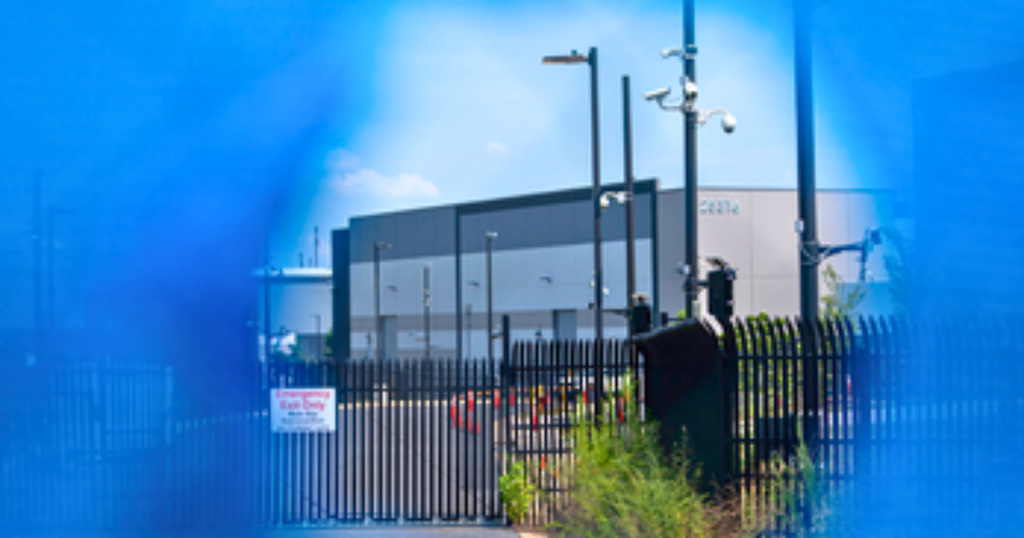
AI Data Center Boom Faces a Fierce Midterm Test as seven states vote on 34 measures that could reshape America’s costly technology outlook this fall nationwide.
AI Data Center Boom Faces a Fierce Midterm Test as seven states prepare to vote on 34 major measures this November.
Voters will consider data center-related ballot measures across California, Florida, Illinois, Kansas, Nevada, Ohio, and Wisconsin during November.
The votes could determine where facilities expand, how communities regulate construction, and whether residents accept technology’s growing demands for infrastructure.
Data Centers Become a Major Election Issue
Across America, artificial intelligence has accelerated demand for data centers requiring enormous amounts of electricity, water, land, and investment.
Those facilities support increasingly powerful AI systems, but their rapid expansion has created political tensions around costs and local resources.
Ohio faces the largest ballot test, with 20 data center-related measures spread across 17 jurisdictions during this election cycle nationwide.
Several Ohio communities are weighing development questions as officials balance economic opportunities against concerns surrounding electricity, water, and infrastructure demands.
Seven States Face Data Center Decisions
California, Florida, Illinois, Kansas, Nevada, and Wisconsin will also present voters with decisions that could influence future technology development.
Meanwhile, Texas has taken a different approach after ordering a pause on new data center permits and grid connections pending audits.
The review focuses on potential effects involving electricity demand, water supplies, and the broader impact of rapid facility construction.
Billions of Dollars Meet Growing Local Concerns
Supporters argue data centers can attract billions of dollars, create jobs, strengthen local economies, and expand America’s technological competitiveness significantly.
Critics counter that residents should not shoulder higher utility costs or infrastructure expenses created by private technology companies and developers.
Republican and Democratic candidates increasingly face questions about whether governments should encourage projects, restrict them, or demand stronger protections.
Political pressure has grown because data center construction increasingly intersects with energy policy, environmental concerns, taxes, and neighborhood development debates.
Power, Water and Infrastructure Drive the Fight
Residents near proposed facilities have raised concerns about noise, water consumption, electricity reliability, construction traffic, and changes to surrounding communities.
Nevertheless, technology companies argue that artificial intelligence requires substantial computing infrastructure to compete globally and maintain American leadership.
Election Day could therefore become an important referendum on how aggressively communities want to embrace the nation’s artificial intelligence boom.
What the Midterm Results Could Change
Voters may also influence whether future projects receive tax incentives, expedited approvals, new restrictions, or additional infrastructure requirements nationwide.
Beyond November, the results could shape policies in states watching closely as technology companies search for locations with reliable power.
Local decisions may also affect national debates about who should pay for electricity upgrades needed to support enormous computing facilities.
Ultimately, the ballot measures place America’s technology ambitions against practical questions about affordability, resources, and community consent across states.
Future development will likely depend on whether policymakers can balance economic growth with reliable power, responsible water use, and public acceptance.
For investors, the votes could signal which states remain welcoming environments for data centers and which jurisdictions may impose tougher conditions.
For communities, the outcome could determine whether promised economic benefits outweigh concerns about infrastructure pressure and changing local landscapes.
As artificial intelligence expands, these seven-state votes could provide an early warning about how America’s technology boom will develop nationwide.








