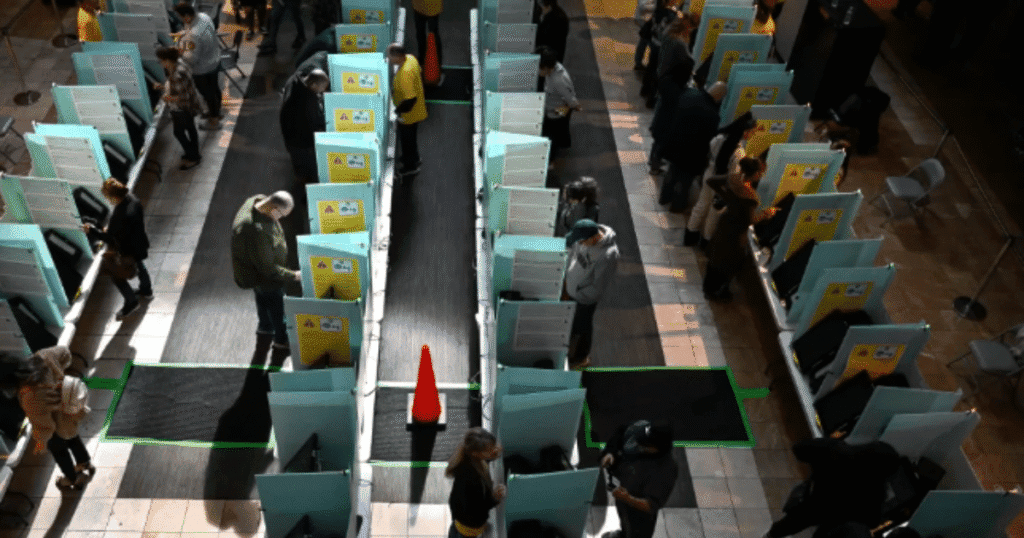
DOJ issued seven subpoenas for Nevada voter data, raising concerns over federal election oversight as the 2026 midterms approach.
The U.S. Department of Justice has issued seven subpoenas seeking voter-related information from Nevada over the past three months, according to Nevada Secretary of State Francisco Aguilar’s office, adding to growing tensions between federal officials and states over election administration.
The subpoenas were issued by the FBI, with Nevada election officials confirming that they received the requests during the three months leading up to the November 2026 midterm elections. The state has not publicly disclosed the full scope of the information sought in each subpoena.
Aguilar’s office said the requests represent another significant step by the federal government into an area traditionally administered by state and local election officials. The developments come as the Trump administration increases its efforts to obtain voter-registration information and scrutinize state election systems.
Nevada voter data becomes a federal focus
The Justice Department has been seeking voter-registration records from states as part of a broader campaign focused on election integrity and the accuracy of voter rolls.
The DOJ began requesting statewide voter-registration lists from election officials in 2025. Numerous states resisted providing complete, unredacted voter files, leading to legal disputes over federal authority, voter privacy and the limits of the federal government’s role in election administration.
Nevada has previously challenged federal efforts to obtain voter information. In August, a federal court dismissed a DOJ demand for Nevada voter data, in a case supported by voting-rights advocates who argued that the federal government was seeking sensitive information without sufficient legal authority.
The latest subpoenas therefore arrive against a backdrop of already intense legal and political disputes.
Election officials raise concerns
State election officials have expressed concern about federal demands for voter information, particularly when requests could include sensitive personal data.
Nevada Secretary of State Cisco Aguilar previously warned that federal requests for voter information could exceed the government’s authority and raise privacy concerns.
The issue has become increasingly important as states prepare for the November 3, 2026, midterm elections, when voters will decide congressional and statewide races.
Nevada is considered an important political battleground, making its voter rolls particularly significant in the national debate over election administration.
Federal and state election authority clash
The Nevada subpoenas are part of a much broader conflict over how much control the federal government should have over state-run elections.
Federal officials have argued that access to voter data is necessary to identify inaccurate registrations and investigate potential violations of election law. State officials and voting-rights organizations, however, have questioned whether federal agencies have the authority to demand comprehensive voter information and whether such efforts could compromise voter privacy.
The dispute is also unfolding alongside other legal battles over the Trump administration’s election policies.
On September 5, a federal appeals court upheld a ruling preventing the administration from using a federal database to verify voter citizenship, citing concerns over the handling of private information and the possibility of inaccurate data leading to eligible voters being removed from rolls.
What happens next
The seven Nevada subpoenas could become another flashpoint in the continuing legal battle over federal involvement in state elections.
For Nevada voters, the immediate question is what information the Justice Department is seeking and how the state will respond. The details of the subpoenas have not been fully disclosed publicly.
With the 2026 midterms approaching, the dispute is likely to draw further attention as federal and state officials continue to clash over voter data, election security and control of the nation’s voting systems.
The Nevada case highlights a larger national question: how far can the federal government go in demanding state voter information while protecting voter privacy and preserving states’ traditional role in running elections?
Also read: Trump Is Reshaping US Capitalism