
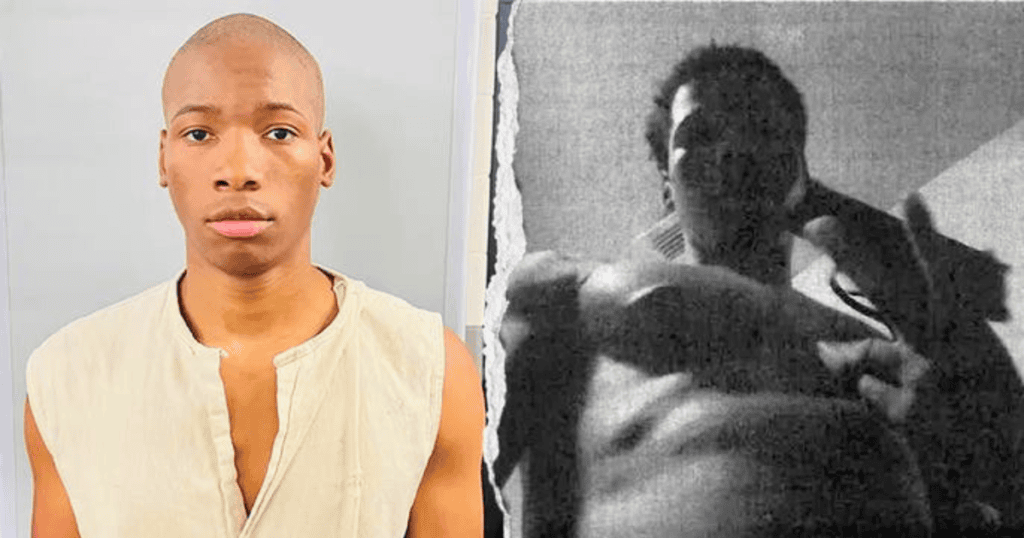
A Texas attorney explains why a 75-page filing against track meet killer Karmelo Anthony didn’t guarantee jurors would see the evidence.
Legal expert busts ‘biggest misconception’ in Karmelo Anthony court filing in track meet murder case
FRISCO, Texas — A massive 75-page court document detailing alleged threats, gun photos, and violent messages tied to convicted murderer Karmelo Anthony appears at first glance to be a definitive roadmap of evidence intended for trial.
However, a Texas criminal defense attorney warns that the most widely held assumption about the document is fundamentally mistaken: jurors were never guaranteed to see a single piece of it.
The pretrial filing—submitted under Rule 404(b) of the Texas Rules of Evidence—has taken center stage as Anthony appeals his murder conviction in the high-profile stabbing death of 17-year-old Austin Metcalf at a high school track meet. Anthony’s motion for a new trial hinges on claims of a pre-trial misunderstanding regarding character evidence that allegedly influenced his decision not to testify in his own defense.
What is Rule 404(b), and why is it misunderstood?
Under Texas criminal procedure, Rule 404(b) requires prosecutors to provide advanced written notice if they intend to introduce evidence of a defendant’s prior bad acts, crimes, or character flaws during trial.
Former prosecutor and criminal defense attorney Tiffany Burks explained that filing a 404(b) notice is merely a procedural requirement, not an automatic greenlight to introduce evidence before a jury.
“Just because the state files a 404(b) notice listing 50 or 100 prior acts does not mean those items are admissible,” Burks noted. “It simply puts the defense on notice so they aren’t blindsided if the state tries to bring them up.”
Before any prior act listed in a 404(b) notice can actually be presented to a jury, the trial judge must conduct a separate hearing to determine:
- Relevance: Whether the evidence directly proves motive, opportunity, intent, preparation, or identity rather than just bad character.
- Prejudicial Impact: Whether the probative value of the evidence outweighs the risk of unfair prejudice against the defendant.
The central dispute in Anthony’s appeal
The contents of the 75-page document outlined a history of concerning behavior, including allegations that Anthony had a fixated interest in knives, stalked an ex-girlfriend, and posted photos posing with firearms.
In his bid for a new trial, Anthony’s defense team argues that confusion surrounding a supposed agreement between prosecutors and defense counsel regarding this character evidence chilled his right to take the stand. The state firmly disputes that any such agreement was violated.
As appellate courts review the record, legal experts emphasize that public interpretation of pretrial filings often conflates prosecutorial notices with vetted courtroom evidence—a distinction that lies at the heart of Anthony’s ongoing legal challenge.
Also read: Converse Apologizes, Pulls Shoe Ad After Backlash
Visit: The Accent News







Pingback: Gorillaz Frontman Sends Message After Tour Ouster - SSPNN