US pressure on Iran intensifies as Tehran threatens a new Gulf exclusion zone and warns of a tougher military response amid nuclear tensions.
The confrontation between the United States and Iran is taking a more dangerous turn as Washington moves to increase pressure on Tehran over its nuclear program while Iranian officials warn that the country has fundamentally changed its military posture.
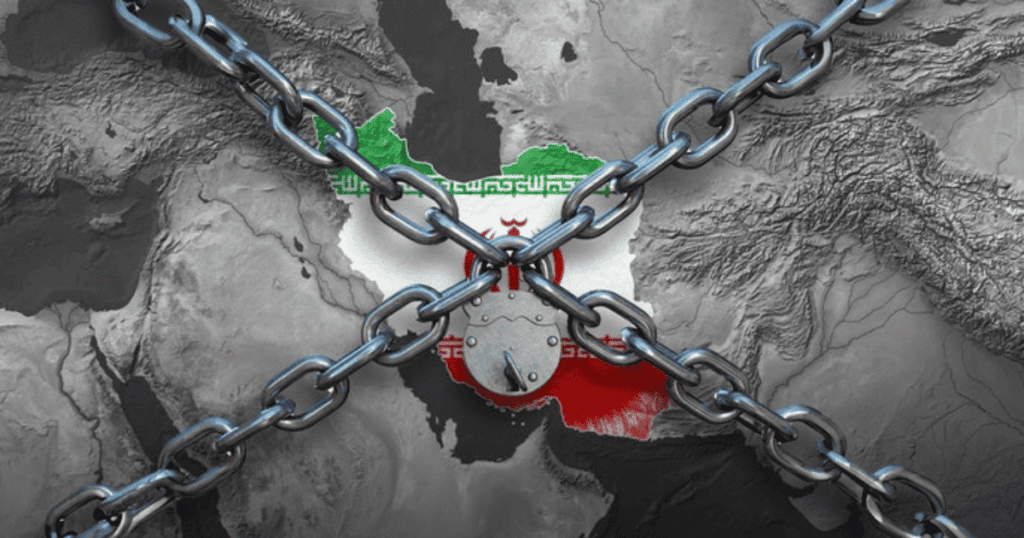
According to Fox News, the United States is seeking to ramp up diplomatic pressure against Iran at the United Nations as tensions continue to rise across the Persian Gulf. Tehran, meanwhile, has threatened to establish a new restricted zone around the Strait of Hormuz and warned of a tougher response to U.S. military activity.
Iran warns of a tougher military response
Iranian officials have indicated that the country’s military posture has been “recalibrated” in response to continued U.S. pressure and military operations.
The warning comes as Washington and Tehran remain locked in a broader confrontation involving Iran’s nuclear ambitions, military infrastructure and control of vital shipping routes.
Iran has also announced plans for a restricted zone around the Strait of Hormuz, a strategically important waterway through which a major share of global energy supplies normally passes. Tehran’s move has raised concerns that further restrictions could deepen the global energy crisis.
US pressure on Tehran intensifies
The Trump administration has continued applying economic and military pressure on Iran while pushing for an agreement that addresses the country’s nuclear program.
U.S. officials have signaled that Washington is prepared to maintain a strong military presence in the region if necessary. Energy Secretary Chris Wright recently said a new nuclear agreement with Iran may not be achievable under the current circumstances, while maintaining that preventing Iran from obtaining a nuclear weapon remains a central U.S. objective.
The diplomatic impasse has become increasingly complicated as military operations and sanctions continue to shape the negotiations.
Strait of Hormuz becomes a major flashpoint
The latest escalation is particularly significant because of the Strait of Hormuz.
Iran has threatened to restrict access to the waterway while the United States has maintained pressure aimed at protecting maritime traffic and limiting Iranian oil exports. Tehran has said that continued U.S. and Israeli military action could lead to further retaliation.
Reuters reported that Iran has warned U.S. interests in the Gulf could be vulnerable to retaliation and is considering formalizing a restricted zone and shipping corridor around the strait.
The confrontation has already affected global energy markets. Brent crude climbed toward $100 a barrel amid renewed fears of supply disruptions, while shipping traffic through the waterway has fallen sharply.
Energy prices add pressure
The conflict is increasingly being felt far beyond the Middle East.
U.S. gasoline prices reached a record Labor Day average of about $4.14 per gallon, while diesel prices climbed to unprecedented levels, according to the Associated Press.
A separate analysis cited by Axios estimated that the Iran conflict had already added roughly $100 billion to U.S. consumer energy costs, highlighting the growing economic consequences of the confrontation.
Nuclear tensions remain unresolved
At the center of the crisis remains the question of Iran’s nuclear program.
Washington wants stronger restrictions and guarantees surrounding Iran’s nuclear capabilities, while Tehran has resisted demands it considers unacceptable. The collapse of previous diplomatic efforts has left military pressure and economic sanctions as increasingly prominent tools.
The latest threats suggest that neither side is prepared to back down easily.
With U.S. pressure increasing, Iran threatening a new restricted zone in the Strait of Hormuz and energy markets already under strain, the risk is that a dispute centered on Iran’s nuclear program could expand into a much broader regional confrontation.
For now, diplomacy remains possible, but the increasingly aggressive rhetoric from Washington and Tehran leaves little room for miscalculation.