Florida’s Bold Move: Raúl Castro Faces Arrest Warrant as Florida pursues charges over the 1996 shootdown that killed four men aboard two civilian aircraft.
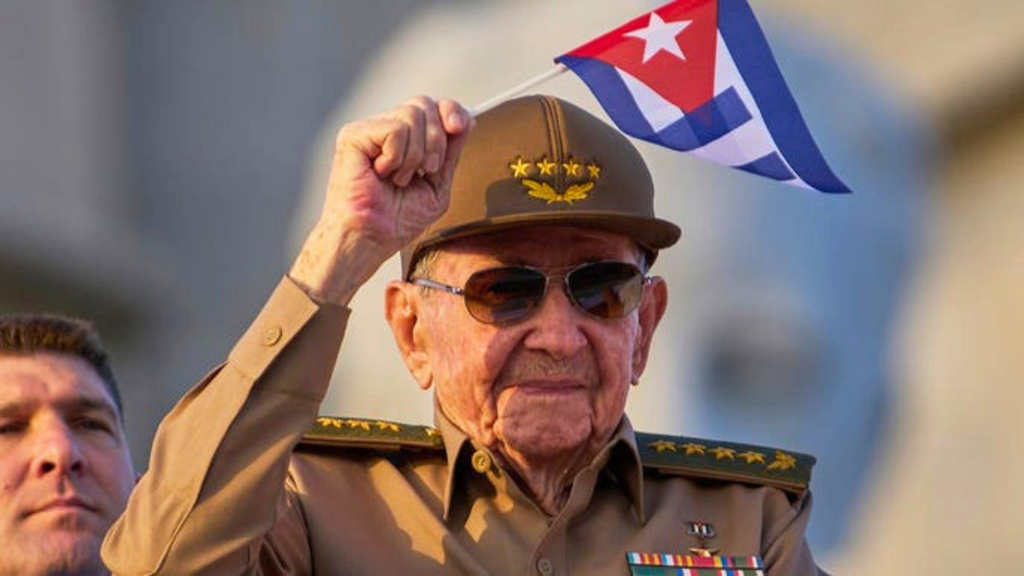
Florida’s Bold Move: Raúl Castro Faces Arrest Warrant. Florida authorities have secured a state arrest warrant for former Cuban leader Raúl Castro over an alleged conspiracy linked to a deadly 1996 aircraft shootdown.
Florida Attorney General James Uthmeier is pursuing accountability for the deaths of four men aboard two civilian planes. The warrant marks a significant development in a case that has remained contentious for three decades.
The case centers on the February 24, 1996, destruction of aircraft operated by Brothers to the Rescue. The incident killed four people and intensified tensions between Washington and Havana.
Florida Secures Arrest Warrant for Raúl Castro
A Miami-Dade County judge approved the state warrant, citing probable cause for a conspiracy to commit first-degree murder. The warrant directs law enforcement to arrest Castro, who remains in Cuba.
Florida’s move follows a renewed state investigation into the former Cuban leader’s alleged role in the incident. Uthmeier reopened the inquiry earlier this year as authorities revisited evidence surrounding the deadly encounter.
Why James Uthmeier Is Pursuing the Case
Uthmeier has emphasized the importance of investigating the deaths and examining potential responsibility for the attack. The state case focuses on whether alleged actions by individuals operating within Florida established a basis for prosecution.
Investigators reportedly examined connections between Cuban intelligence operatives in Florida and the aircraft’s movements. The allegations suggest that information gathered before the shootdown could support the state’s conspiracy case.
However, the warrant reflects a judicial finding of probable cause, not a criminal conviction. Castro retains the right to contest allegations through applicable legal procedures.
The 1996 Brothers to the Rescue Shootdown Explained
The case dates to February 24, 1996, when Cuban military aircraft shot down two civilian planes operated by Brothers to the Rescue. The Miami-based group assisted Cuban migrants and opposed the island’s communist government.
Four men died in the attack: Carlos Costa, Pablo Morales, Mario de la Peña, and Armando Alejandro Jr. Three victims were U.S. citizens, while the fourth held lawful permanent resident status.
Why the Aircraft Incident Still Matters
The shootdown triggered widespread outrage among Cuban Americans and intensified diplomatic tensions between the United States and Cuba. The incident also raised questions about military action against civilian aircraft over international waters.
Cuban authorities maintained that the planes had entered Cuban airspace. U.S. officials and a United Nations investigation concluded that the aircraft went down over international waters.
The dispute has continued to shape political discussions in South Florida. Families of the victims and advocates have sought accountability for the deaths for decades.
Raúl Castro Faces Separate Federal Charges
Florida’s state warrant adds another legal challenge for Castro, who also faces a separate federal prosecution in the United States. Federal prosecutors announced charges in May 2026 involving the same 1996 shootdown.
Those federal charges include allegations of murder and conspiracy connected to the deaths. Prosecutors accuse Castro and other defendants of roles in the attack, but the allegations require adjudication through the courts.
Could Florida Arrest Raúl Castro?
The warrant authorizes law enforcement to arrest Castro under Florida’s state case. However, enforcing it presents significant practical challenges because Castro lives in Cuba.
Any arrest would depend on circumstances involving custody, jurisdiction, and international cooperation. The warrant itself does not mean U.S. authorities have taken Castro into custody.
His location and Cuba’s relationship with the United States could complicate efforts to bring him before a Florida court. The next steps will depend on legal developments and whether authorities can enforce the warrant.
What the Arrest Warrant Means for U.S.-Cuba Relations
The case arrives amid longstanding tensions between Washington and Havana. Legal action against a former Cuban leader could intensify political debate over accountability, international law, and bilateral relations.
For Cuban American communities in Florida, the case carries deep historical significance. Many have spent years seeking legal consequences for the 1996 attack.
Meanwhile, the proceedings could test how state and federal authorities coordinate cases involving alleged crimes committed decades ago. Their actions may also influence future efforts to pursue accountability for historical incidents.
What Happens Next in the Raúl Castro Case?
Authorities must now determine how to advance the state prosecution and address the practical barriers to Castro’s arrest. The federal case will also proceed through its own legal process.
The outcome remains uncertain, and the warrant does not establish guilt. Prosecutors must prove their allegations in court if the case reaches trial.
Florida’s arrest warrant represents a major development in the decades-old investigation. Whether authorities can bring Castro before a U.S. court remains the central question in this unfolding legal case.
Also read: Homan’s Urgent Warning: Ilhan Omar Could Face Deportation
Also read: Kansas Soccer Field Tragedy: Woman Freed After Deadly Crash