
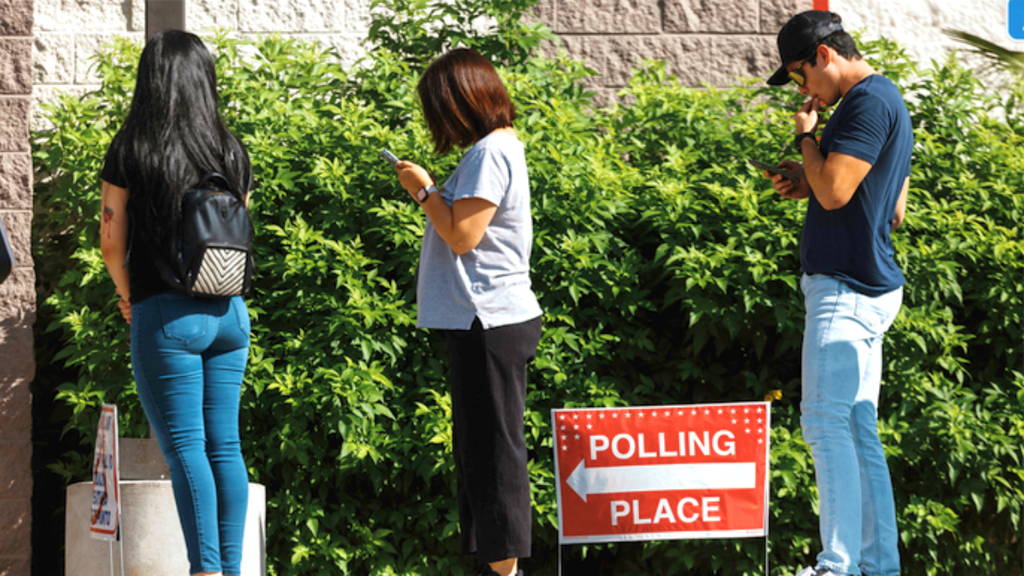
Former Biden pollster warns Democrats face a hidden polling crisis as voter enthusiasm, weak party trust, and turnout concerns threaten their 2026 midterm hopes.
Former Biden pollster warnings have raised fresh questions about Democrats’ polling advantage ahead of the 2026 midterm elections. Despite encouraging national surveys, the party faces a serious challenge in converting favorable numbers into actual votes.
Democrats hope voter dissatisfaction with President Donald Trump will help them regain congressional power on November 3. However, concerns about turnout, polling accuracy, and the party’s political credibility could undermine those expectations.
Democrats’ Poll Numbers Hide a Major Political Problem
Recent midterm election polls suggest Democrats hold an advantage in the national congressional vote. Yet strong polling numbers do not guarantee victories in individual House and Senate races.
The central concern involves whether surveys accurately capture Republican support and the voters who will actually participate. Past elections have demonstrated that polling leads can shrink when turnout patterns differ from expectations.
Why Democratic Polling Advantages May Mislead
Several recent surveys indicate that Democrats could gain seats during the upcoming midterm elections. However, analysts caution that national preferences cannot fully predict outcomes across individual congressional districts and states.
Polling errors also remain a concern because surveys depend on sampling methods, voter participation estimates, and respondents’ willingness to answer questions. If pollsters misjudge likely voters, their projections could overstate Democratic momentum.
Republicans therefore see opportunities to outperform expectations, particularly in closely contested congressional races. Democrats must demonstrate that their polling advantage reflects genuine electoral support rather than temporary dissatisfaction with the administration.
Voter Turnout Could Decide the 2026 Midterm Elections
Democratic candidates may benefit from heightened enthusiasm among voters who oppose the current administration. Nevertheless, campaigns must turn that enthusiasm into ballots through registration efforts, outreach, and effective mobilization.
Young voters and other important Democratic constituencies sometimes participate less consistently in midterm elections than presidential contests. Lower-than-expected turnout among these groups could narrow the party’s advantage in competitive races.
Why Enthusiasm Does Not Always Translate Into Votes
Political enthusiasm matters most when supporters actually cast ballots on Election Day. Campaigns must maintain voter engagement throughout the final weeks rather than rely exclusively on favorable survey results.
Republicans could also strengthen their position by mobilizing reliable supporters in competitive districts. Even modest turnout differences can influence close congressional contests and determine control of the House or Senate.
Democrats Face Questions About Their Political Message
Beyond polling accuracy, Democrats must convince voters that they offer practical solutions to the country’s biggest problems. Economic pressure, inflation, healthcare costs, and public confidence remain central issues for many American households.
Recent surveys suggest Democrats hold advantages on certain economic questions. However, favorable issue ratings do not necessarily mean voters trust the party to deliver meaningful improvements.
Economic Concerns Shape Voter Decisions
The cost of living continues to influence political attitudes across the United States. Voters increasingly expect candidates to explain how their policies could improve household finances and economic security.
Democrats could strengthen their appeal by presenting clear proposals that address everyday financial pressures. Without a convincing message, dissatisfaction with Republicans might not translate into sustained Democratic support.
Can Democrats Turn Polling Leads Into Election Victories?
The November 3 midterm elections will test whether Democratic polling advantages translate into congressional gains. Republicans retain opportunities to compete through campaign spending, voter mobilization, and appeals to undecided independents.
The Senate presents a particularly complicated challenge because Democrats need victories in competitive states to secure a majority. Meanwhile, district boundaries and the distribution of competitive House races can limit the number of seats either party wins.
What Voters Should Watch Before Election Day
Campaign developments, updated polling averages, and early voting figures could provide useful indications of electoral momentum. However, individual surveys carry uncertainty, and analysts should avoid treating any single poll as a definitive prediction.
Voters should also distinguish between national congressional preferences and state-level Senate contests. Each race has its own candidates, political conditions, and electorate, making local dynamics especially important.
Final Outlook: Democrats Cannot Rely on Poll Numbers Alone
Democrats enter the final stretch before the 2026 midterms with reasons for optimism, but significant uncertainties remain. Polling advantages may create momentum without guaranteeing victories across the country’s competitive congressional districts.
Ultimately, the party’s success will depend on voter turnout, candidate performance, campaign strategy, and public confidence. The election will reveal whether Democratic enthusiasm can overcome polling uncertainty and translate into meaningful gains in Congress.
Also read: Kansas Soccer Field Tragedy: Woman Freed After Deadly Crash