
Cyber Alarm: Coast Guard Boards Two US-Bound Ships. Officials reported suspected network breaches, but haven’t confirmed Iran’s role or operational damage.
U.S. Coast Guard Investigates Suspected Ship Cyberattacks
U.S. authorities boarded two foreign-flagged ships after investigators found signs hackers had compromised onboard computer networks.
The Coast Guard confirmed August operations while officials examined possible connections between cyberattacks and tensions involving Iran.
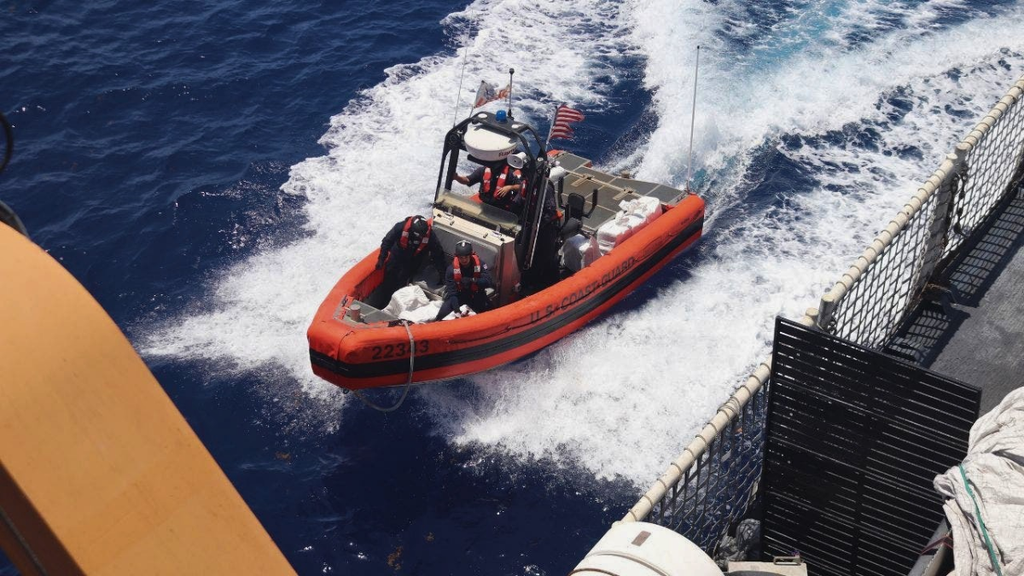
Coast Guard cyber personnel, FBI teams and vessel inspectors joined offshore inspections in the Gulf of America.
Officials conducted the first boarding August 21 and inspected the second vessel three days later, August 24.
Teams checked operational technology and information systems, aiming to contain threats before both vessels reached American ports.
Authorities reported no operational disruption, vessel instability, crew danger or environmental damage during either inspection.
Investigators identified cybersecurity concerns, but officials have not publicly established who carried out the intrusions.
Iran Connection Remains Under Investigation
A separate investigation is examining whether Iran played a role in attacks targeting energy tankers.
Recent reporting cited officials assessing incidents involving as many as 50 ships carrying oil, gas and chemicals.
Russia has also emerged as a possible actor, while investigators reportedly found no evidence linking Iran to several incidents.
Suspicion, intelligence leads and confirmed attribution remain three very different things in cybersecurity investigations.
Neither the Coast Guard nor the FBI has publicly blamed Tehran for compromising these two vessels.
Why Cybersecurity Threats Matter for Commercial Ships
Modern commercial vessels rely on connected networks for navigation, communications, cargo monitoring and machinery oversight, creating digital entry points.
A breach may delay voyages, expose sensitive information or complicate operations, even without taking control of ships.
Think of it as a digital stowaway: unseen, unwelcome and potentially expensive, but not automatically disastrous.
Maritime security experts say shipping companies must treat network protection as part of routine vessel safety.
Investigators Face Important Unanswered Questions
Investigators must determine how attackers entered networks, which systems they accessed and whether controls or data changed.
They also need evidence connecting intrusions to a specific group, government or criminal operation.
Until authorities release findings, claims about Iranian responsibility should remain qualified, not presented as established fact.
Experience and Practical Insights: What Shipping Companies Should Learn
For ship operators, the lesson is straightforward: patch exposed systems, restrict remote access and rehearse manual procedures regularly.
Crews should report unusual network behavior quickly, preserve logs and coordinate with cybersecurity specialists and port authorities.
Ports, shipping firms and federal agencies share responsibility because one compromised vessel can create risks beyond its deck.
These boardings show maritime security now extends below the waterline and deep into ships’ computer systems.
What Happens Next?
The investigation could reveal whether these incidents represent isolated intrusions or part of a broader maritime cybersecurity threat.
Authorities must establish the attackers’ identities, their methods and any connections to suspected international cyber operations.
For now, protecting American ports, commercial shipping networks and energy transportation remains the immediate priority.
Also read: Oregon Teacher Breaks Silence After School Shooting